Elliott Waves and Fibonacci: Frost, Prechter, DiNapoli, Fischer, Miner
Trader's Library #48 · Technical analysis. Waves and Fibonacci: worth knowing, but with a large dose of scepticism.

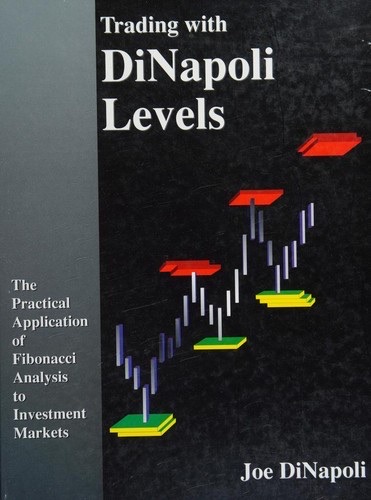
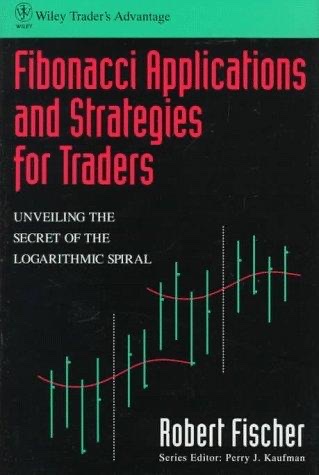
Author: A.J. Frost, R.R. Prechter, Joe DiNapoli, Robert Fischer, Robert C. Miner · Original: Elliott Wave Principle; Trading with DiNapoli Levels; Fibonacci Applications; High Probability Trading Strategies · Year: 1978 · Usefulness for traders: ★★☆☆☆
What it's about
A group of books on geometric analysis methods: Frost and Prechter's “Elliott Wave Principle” (the core text on waves), “Trading with DiNapoli Levels” (Fibonacci retracements and projections with entries and exits), Fischer's “Fibonacci Applications” and Miner's “High Probability Trading Strategies” (waves, time and Fibonacci).
What it gives a trader
These methods are very popular, so they're worth knowing, if only to understand where other traders see levels. But they also teach an important lesson in scepticism: wave counting is subjective and always fits after the fact.
Lessons for traders
- a method that always fits after the fact says little before it (hindsight bias, Atlas of biases #27)
- Fibonacci levels may work because many traders watch them
- two analysts will count the same waves differently (confirmation bias, Atlas of biases #21)
What to watch out for
Weak empirical evidence of an edge. The risk of fitting the chart to the theory rather than the other way round.
Discussion
The discussion takes place in Hetman Capital Club (in Polish). Join the discussion in the Club →
Navigation
← #047 Ichimoku: Sasaki and Hosoda · Library index · #049 Jake Bernstein: The Compleat Day Trader and Cycles of Profit →
Educational content, not investment advice. The book description is my own summary and assessment, not quotations. Edition details were checked in catalogues and bookshops, and where there was doubt I said so plainly.